

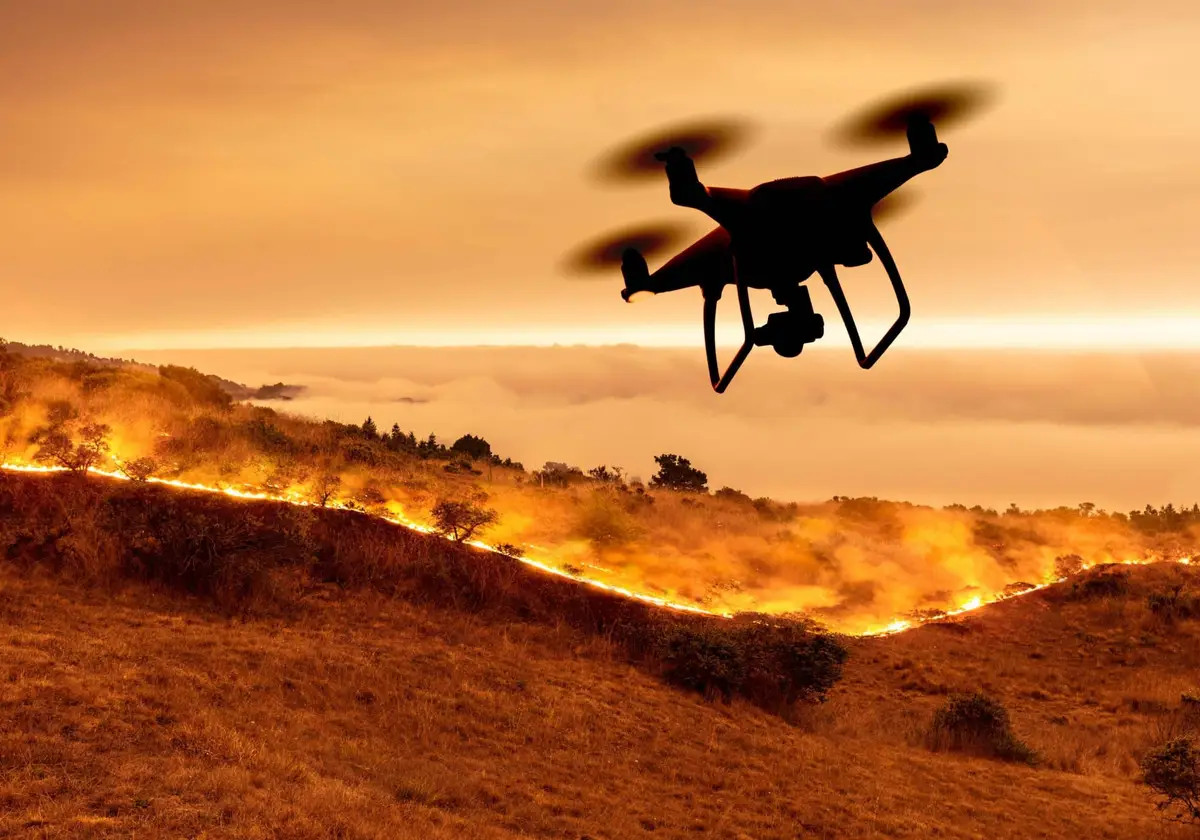
Many forest fires and natural habitats are recorded every day in France, as well as in several regions around the world, raising concerns about their spread and control.
Firefighters often use technical terms to describe the status of a fire, such as ‘fire contained’, ‘fire localised’, ‘fire under control’ or ‘fire extinguished’. But what exactly do these terms mean?
Light fitted
A fixed light means that the flames are no longer spreading, but that the fire is not yet under control. The fire may still be active and could spread if conditions change, such as an increase in wind or a drop in humidity.
Localised fire
A localised fire means that the fire brigade has managed to contain the spread of the flames by creating a firebreak around the blaze. This prevents the fire from spreading, but the fire may still be burning within the contained area.
Fire brought under control
A fire brought under control means that the fire brigade has managed to extinguish most of the flames and that the fire is under control. However, there may still be hotspots in the affected area and a risk of the fire reigniting.
Drowned fire
At last, a extinguished fire means that the fire brigade has managed to put out all the flames completely and that the fire is completely extinguished.
It is important to note that every fire is different and that the time taken to progress from one stage to the next may vary depending on the size and complexity of the fire. It is therefore important to follow the guidelines and advice of the professionals to ensure everyone’s safety.