













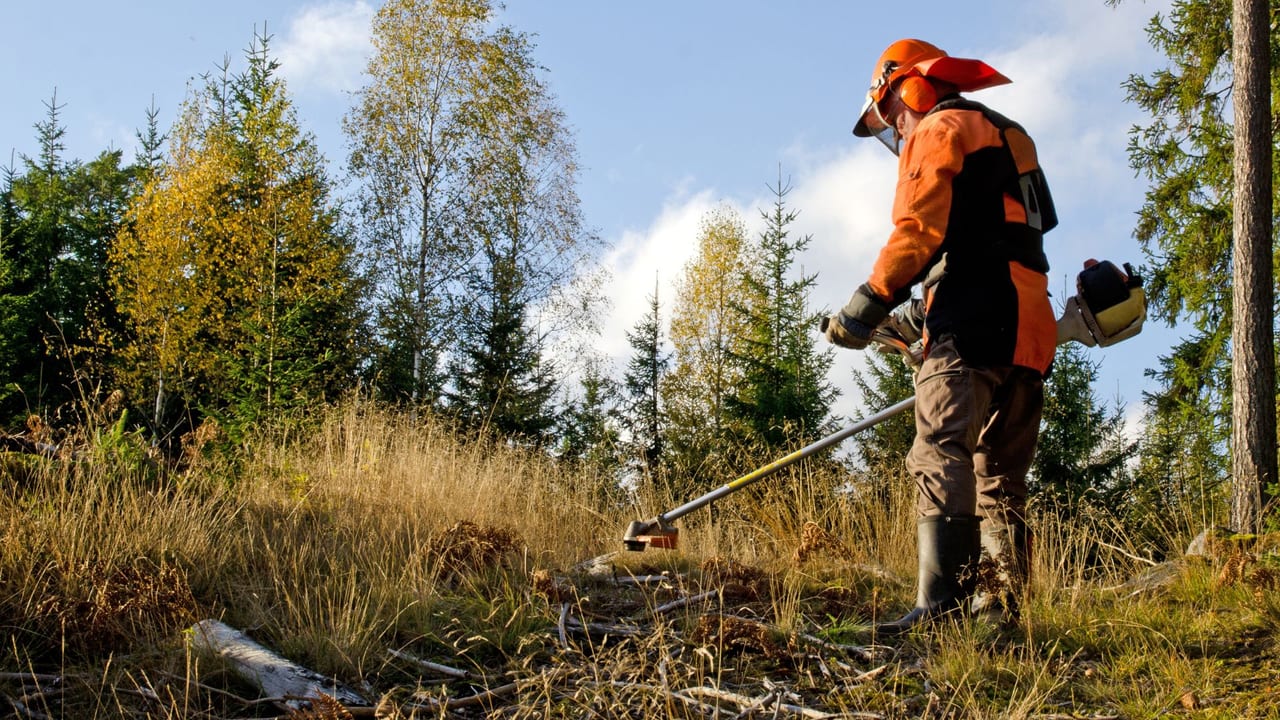

Clearing undergrowth is a key measure for limiting the spread of forest fires and protecting homes located near wooded areas. Since 1 January 2025, the regulations have changed, imposing stricter obligations on property owners, tenants and sellers. Here is what you need to know about the current rules, the areas affected and the penalties for non-compliance.
Who is subject to the legal obligation to clear undergrowth?
The obligation to clear undergrowth applies to land situated within 200 metres of woodland, heathland, maquis or garrigue classified as being at risk of fire. It aims to create a safety zone around buildings, thereby reducing the intensity of fires and the speed at which they spread. The precise conditions are set out in a prefectural order, tailored to the specific local circumstances of each department.
Brush clearing involves removing flammable plant matter (grass, twigs, leaves) and maintaining areas that have already been treated. It may include tasks such as pruning trees, cutting back shrubs or clearing away cuttings. This work is recommended in autumn and winter, whilst routine maintenance can be carried out in spring.
Scope and procedures for brush clearing
The obligation applies to a minimum depth of 50 metres around dwellings and other buildings. It is not limited to the boundaries of the plot: if necessary, the work may extend to neighbouring land. In such cases, the landowner must inform their neighbours by registered post, specifying the nature of the work. If the neighbours refuse access or fail to reply within one month, the responsibility for clearing the undergrowth falls to them, and the mayor must be informed.
Along access routes (roads, footpaths, private tracks), the brush cutting must be carried out over a width of 10 metres on either side. In urban areas covered by a Local Urban Development Plan (PLU), the requirement applies to the entire plot. Specific rules also apply to land situated near linear infrastructure (electricity networks, railway lines) or within coordinated development zones (ZACs), housing estates or campsites.
Liabilities and penalties for non-compliance
The mayor is responsible for ensuring compliance with the obligations regarding brush-clearing, and may delegate this task to authorised officers, such as those from theNational Forestry Office (ONF). In the event of a breach, the penalties can be severe:
- Criminal fines of up to €50 per square metre of uncleared land, with a minimum fine of €1,500;
- A formal notice from the mayor, accompanied by a penalty payment of up to €100 per day of delay;
- Compulsory carrying out of the works at the owner’s expense;
- Increase in the insurance excess, up to €5,000.
In the event of the mayor’s failure to act, the prefect may take his place to ensure that the regulations are enforced.
Let, sale and delegation of works
Since 1 January 2025, sellers and landlords must inform buyers or tenants of the legal obligation to clear undergrowth as soon as the property is advertised, via the risk assessment report. A tenant may carry out the work if this is specified in their tenancy agreement, but this does not exempt the landlord from criminal liability.
You can hire a professional to clear your undergrowth, and you may be eligible for a tax credit under certain conditions. To make the process easier, a sample letter is available to property owners who need to carry out work on a neighbouring plot of land.
To find out the specific rules for your department, check the current prefectural order or visit the forest fire alert map.