













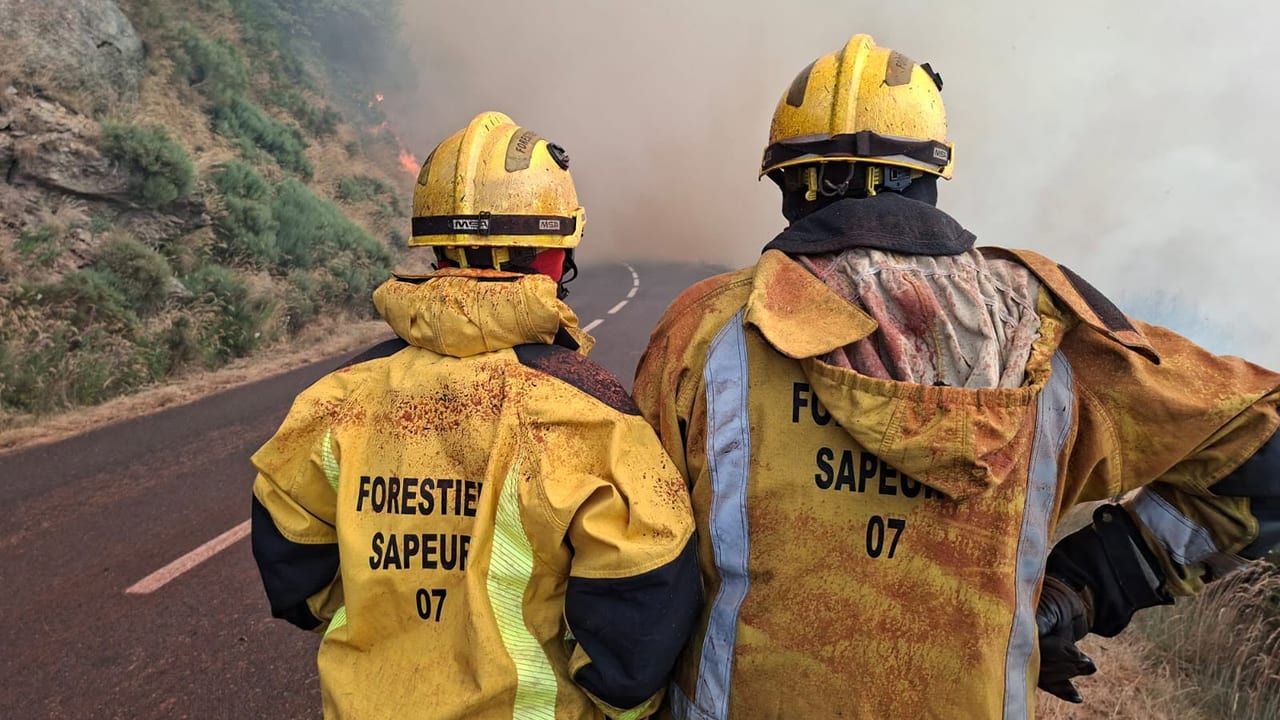

On the front line in the fight against wildfires, forest fire officers play a key role in the prevention and protection of France’s forests. These local authority officers, numbering around 800 nationwide, work all year round to reduce the risk of fire and prepare the terrain for any emergency response. Seven departments employ forest fire fighters: Alpes-Maritimes, Ardèche, Bouches-du-Rhône, Haute-Corse, Corse-du-Sud, Hérault and Var.
A wide range of vital tasks
Forest firefighters carry out work in four main areas: maintaining tracks and forest fire defence infrastructure (DFCI), clearing undergrowth, reducing combustible vegetation, and monitoring woodland areas during the high-risk season. Their work helps to facilitate access for the emergency services and limit the spread of fires.
During the summer months, their duties intensify: surveillance patrols, early detection of fires, issuing alerts and, in some departments, providing an initial response to emerging fires. Their in-depth knowledge of the local area makes them invaluable allies to the Departmental Fire and Rescue Services (SDIS).
Work that follows the rhythm of the seasons
Their business adapts to the seasons:
- In autumn, they restore areas affected by fire and repair forest firefighting equipment.
- In winter, they carry out major brush-clearing work and maintain the slopes and infrastructure.
- In the spring, they prepare for the fire season by checking access routes and water supplies.
- In the summer, they monitor the mountain ranges and support the SDIS.
Resources tailored to local areas
Forest firefighters use a variety of equipment depending on the department: off-road vehicles, forestry mulchers, brush cutters, radios and GPS devices. Their equipment varies from one local authority to another, but their aim remains the same: to make natural areas safer and to facilitate the work of the fire service.
They work closely with a number of organisations, including the National Forestry Office (ONF), the prefectures, the Departmental Directorates for Territorial Planning (DDT) and the Municipal Forest Fire Committees (CCFF). This coordination is essential for an effective forest fire prevention and control policy.
A changing status and evolving challenges
Despite their crucial role, forest rangers do not have a specific status within the local civil service. Recruited as local authority technical assistants, their numbers (around 800 staff) do not, according to the government, justify the creation of a dedicated employment category. Yet their profession faces major challenges: adapting to climate change, an increase in the areas requiring protection and the need to recruit new staff.
Since 2022, the Government has strengthened its prevention efforts and is providing greater support to those involved in forest fire prevention and control, including forest fire fighters. Their work, which complements that of the fire service, remains essential for anticipating and minimising the risk of forest fires.